Introduction
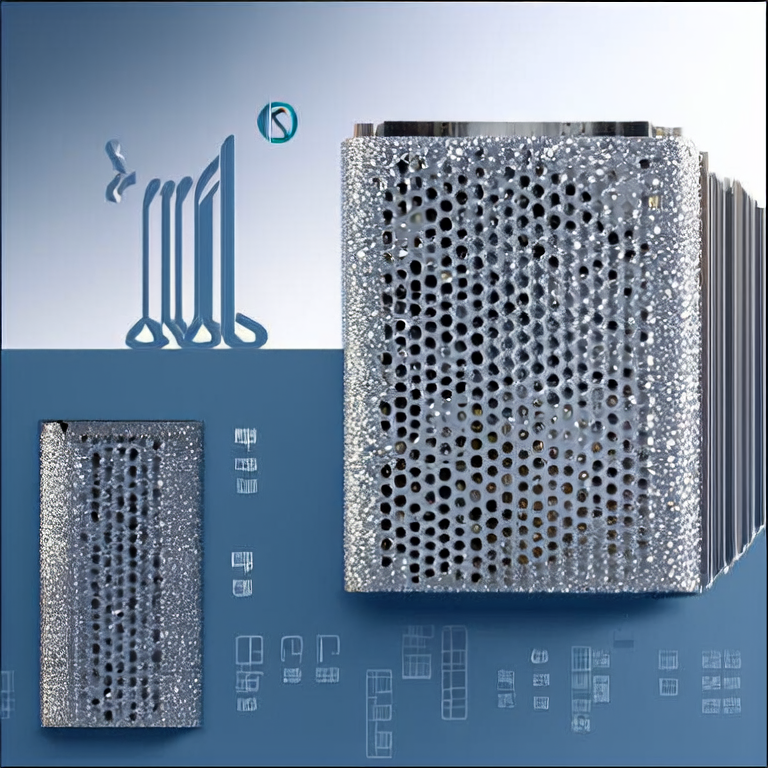
nickel foam plays a vital role in lithium-ion battery manufacturing. This unique material contributes to the efficiency, performance, and longevity of batteries. Lithium-ion batteries are widely used in electronic devices and electric vehicles. However, with advancements in technology, there is an increasing demand for better battery performance. Nickel foam can help meet this demand by enhancing the structure and conductivity of the batteries. Not only does it improve energy storage, but it also allows for faster charging and discharging. This innovation is essential for powering various applications, such as smartphones, laptops, and electric cars.
Summary Answer
Nickel foam is mainly used in lithium-ion battery manufacturing for its lightweight, porous structure that enhances electrical conductivity and energy storage capacity.
Applications of Nickel Foam
- Improving Battery Performance
- Enhancing Charge and Discharge Rates
- Supporting Lightweight Designs
- Increasing Energy Density
- Facilitating Thermal Management
Improving Battery Performance
Nickel foam improves the overall performance of lithium-ion batteries. Its unique structure allows for better ion transport within the battery. This leads to increased efficiency and a longer lifecycle.
Enhancing Charge and Discharge Rates
With nickel foam, batteries can achieve faster charge and discharge rates. This feature is crucial for applications that require quick power delivery, such as electric vehicles.
Supporting Lightweight Designs
One of the benefits of nickel foam is its lightweight nature. This characteristic is practical for portable electronics. By using nickel foam, manufacturers can create lighter batteries, making devices easier to handle.
Increasing Energy Density
Nickel foam assists in increasing the energy density of batteries. A higher energy density means that batteries can store more energy in a smaller size. This is particularly important for designing compact devices.
Facilitating Thermal Management
Thermal management is essential in battery performance. Nickel foam has excellent thermal conductivity, which helps dissipate heat generated during battery operation. This addition can prevent batteries from overheating, enhancing safety.
Conclusion
In conclusion, nickel foam is a key material in lithium-ion battery manufacturing. Its properties, such as lightweight design, enhanced conductivity, and ability to improve energy density, make it indispensable for modern batteries. As the demand for advanced battery technology grows, nickel foam will continue to play a crucial role in enhancing battery performance across various industries.
FAQ
- What is nickel foam? Nickel foam is a porous, lightweight material made from nickel, used primarily in battery applications.
- Why is nickel foam used in lithium-ion batteries? It enhances conductivity and energy storage, improving battery efficiency.
- How does nickel foam impact battery weight? Nickel foam is lightweight, allowing for smaller and lighter battery designs.
- Can nickel foam improve charging times? Yes, it allows for faster charge and discharge rates due to its porous structure.
- Is nickel foam safe for use in batteries? Yes, it has good thermal conductivity, helping to manage heat and ensure safety.

