Introduction
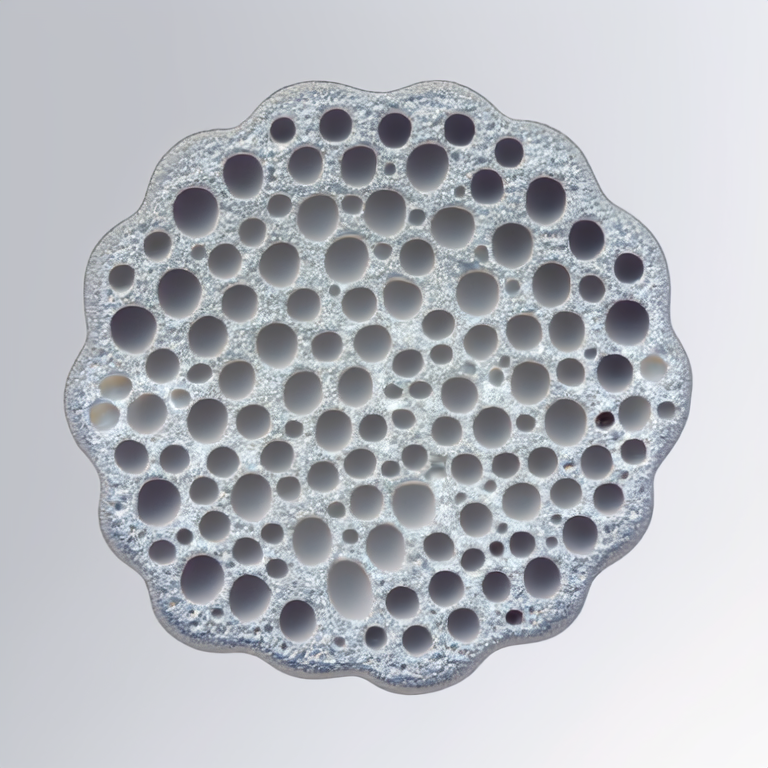
Open-cell titanium structures are a significant innovation in materials science. They offer unique benefits for various applications, ranging from biomedical devices to aerospace components. However, many people are unaware of how these structures work or their potential uses. Understanding
titanium foam, including concepts like porosity, lightweight design, and mechanical properties, is essential for tapping into their full potential. The advantages of open-cell titanium can transform industries and lead to better results in engineering projects.
Summary Answer
**Open-cell titanium structures are lightweight, highly porous forms of titanium that enhance performance in various applications. They are widely used in fields like medicine, engineering, and aerospace for their strength and efficiency.**
Key Characteristics of Open-Cell Titanium Structures
1. **Porosity**
- Open-cell titanium has a unique porous structure that comprises interconnected voids. This allows fluids and gases to pass through, making it suitable for applications like filters and scaffolds.
2. **Lightweight Design**
- The lightweight nature of titanium foam makes it ideal for aerospace components. It offers significant weight savings without compromising structural integrity.
3. **Mechanical Properties**
- Titanium foam exhibits impressive mechanical properties, including high strength-to-weight ratios. This allows it to endure substantial stresses while remaining lightweight.
4. **Biocompatibility**
- Open-cell titanium is biocompatible, making it suitable for medical implants. It can integrate well with human tissue, promoting healing and reducing rejection rates.
Applications of Open-Cell Titanium
1. **Biomedical Applications**
- Commonly used in bone scaffolds, titanium foam promotes cell growth and helps in the healing process after surgeries.
2. **Aerospace Engineering**
- Aerospace applications take advantage of titanium foam’s lightweight and high strength. It is used in aircraft frames and components to improve fuel efficiency.
3. **Filtration Systems**
- The porous nature of titanium foam allows it to function effectively as a filter. It captures particles while allowing air and liquids to pass through.
Advantages of Using Titanium Foam
1. **Improved Performance**
- Open-cell structures lead to enhanced performance in applications. They provide a perfect balance between strength and weight.
2. **Versatility**
- Titanium foam can be used in various industries, from automotive to healthcare, due to its adaptable nature.
3. **Durability**
- Titanium is naturally resistant to corrosion, which increases the lifespan of products made from titanium foam.
Comparison with Other Materials
| Material |
Weight |
Strength |
Corrosion Resistance |
Biocompatibility |
| Titanium Foam |
Very Low |
High |
Excellent |
Yes |
| Aluminum |
Low |
Moderate |
Good |
No |
| Steel |
Moderate |
High |
Low |
No |
Future Trends in Titanium Foam Technology
1. **3D Printing Innovations**
- 3D printing is revolutionizing titanium foam production. It allows for customized designs in biomedical and aerospace applications.
2. **Sustainability Efforts**
- New methods are emerging to recycle titanium foam, making it a more sustainable choice. This will benefit both manufacturers and the environment.
3. **Advanced Coating Techniques**
- Research is ongoing in advanced coatings for titanium foam to improve surface properties and enhance durability in extreme conditions.
Conclusion
Open-cell titanium structures present a remarkable opportunity for various industries. Their unique properties make them suitable for applications in medicine, aerospace, and beyond. Understanding titanium foam can help businesses optimize their products, resulting in better performance and sustainability.
FAQ
1. **What is titanium foam used for?**
- It is used in biomedical devices, aerospace components, and filtration systems, among other applications.
2. **How is titanium foam made?**
- Titanium foam is manufactured through several methods, including powder metallurgy and foam replication techniques.
3. **Is titanium foam safe for medical use?**
- Yes, titanium foam is biocompatible and often used in medical implants and devices.
4. **What are the advantages of titanium foam compared to other materials?**
- Titanium foam is lighter, stronger, and more corrosion-resistant than many other materials, such as aluminum and steel.
5. **Can titanium foam be recycled?**
- Yes, recycling processes for titanium foam are currently being developed to enhance sustainability efforts in the industry.

