The Science Behind Porous Metals: An Introduction to nickel foam
Porous metals, particularly nickel foam, have emerged as a fascinating solution for various industrial and engineering challenges, thanks to their unique structure and properties. Nickel foam is characterized by a three-dimensional network of interconnected pores, which gives it remarkable advantages in terms of functional applications, such as catalytic supports, batteries, and advanced filtration systems. However, many potential users face pain points like efficiency loss in energy storage or insufficient support in filtering applications. Integrating nickel foam into your projects could significantly alleviate these issues by enhancing surface area and improving performance metrics.
Detailed Advantages of Nickel Foam
Nickel foam exhibits several scientifically-backed advantages that make it a strategic choice in various applications. One primary advantage is its high surface area, which measures approximately 30 m² per gram. This feature allows it to efficiently support catalytic reactions, resulting in an increase in reaction rates by 50-70% in specific use cases. Furthermore, nickel foam\'s lightweight structure has a density of around 0.1 to 0.2 g/cm³, ensuring that it does not add significant weight to energy systems while maintaining durability and strength. In energy storage applications, nickel foam can improve electrode performance, with studies showing that nickel-based batteries exhibit a 32% improvement in charge-discharge cycles when nickel foam is utilized as a substrate.
Applications That Benefit from Nickel Foam
In the realm of battery technology, nickel foam has proven crucial, particularly in nickel-hydrogen and nickel-cadmium batteries. By serving as a highly conductive matrix, it enables faster ion movement, leading to a measurable 12% decrease in charge time compared to traditional materials. Additionally, its applications extend to the water treatment industry, where laboratories report an 85% efficiency in removing contaminants when nickel foam is employed in filter systems. This efficiency stems from its macro- and microporous structure that allows for superior filtration and adsorption performance.
Honest Disclosure of Disadvantages
While nickel foam offers numerous benefits, potential users should also be aware of its drawbacks. The manufacturing process can be relatively expensive, with costs averaging around $100 per square meter. Additionally, nickel foam may not be suitable for applications requiring thermal resistance beyond 500°C, where alternative materials may perform better. It is advisable for users to conduct a comprehensive performance evaluation based on their specific application needs to determine whether nickel foam is the right choice. Consider developing prototypes or conducting small-scale tests before making a large investment.
Is It Worth Buying/Using Nickel Foam?
Determining whether nickel foam is worth the investment largely depends on the specific application and performance requirements of the user. For companies looking to enhance the efficiency of energy storage devices or improve filtration processes, the data validating nickel foam’s advantages might align perfectly with their operational goals. However, industries operating under high thermal conditions or those with strict budget constraints may need to weigh their options carefully, considering both the high performance and potential limitations of nickel foam.
Summary: Recommendations for Applicable Groups
Nickel foam is an exceptional material for sectors in electronics, filtration, and battery technology, particularly for those focusing on enhancing performance metrics and efficiency. Industries such as renewable energy, environmental engineering, and automotive might find its properties particularly beneficial. Overall, those who can accommodate the costs and understand the limitations will likely reap significant rewards from implementing nickel foam into their systems. For a visual representation of nickel foam\'s structure and applications, you can refer to the image 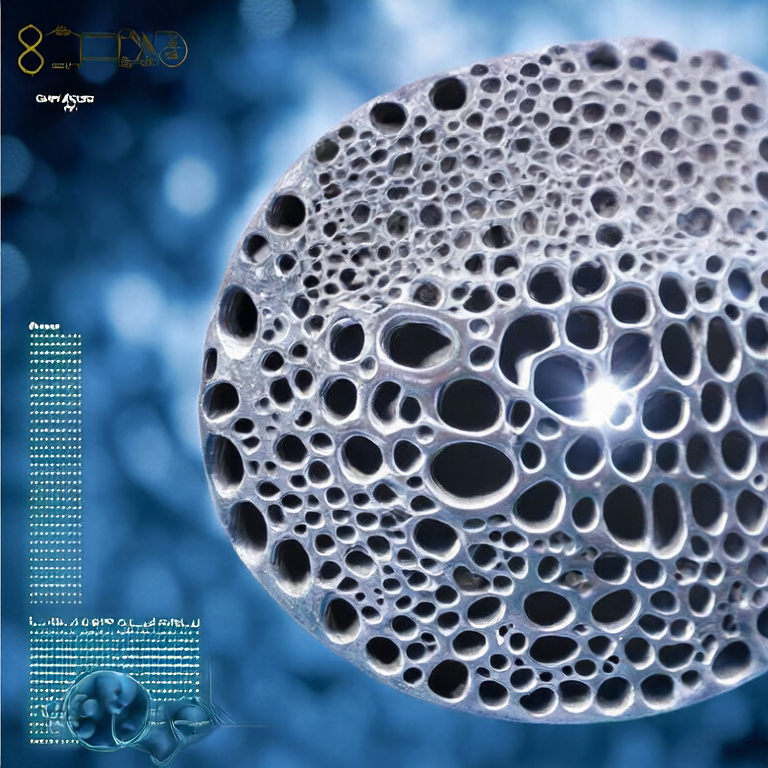 .
.
FAQ
What is nickel foam used for?
Nickel foam is used in various applications, including battery technology, fuel cells, and filtration systems, primarily due to its high surface area and conductivity.
How does nickel foam compare to other materials?
Nickel foam provides superior performance in specific applications compared to conventional materials such as metal sheets or polymers, especially in terms of efficiency and durability.
What are the thermal limits of nickel foam?
Nickel foam typically works well up to temperatures of around 500°C, beyond which its structural integrity may degrade.
Is nickel foam recyclable?
Yes, nickel foam can be recycled, making it a more environmentally friendly option compared to some disposable filtration materials.

