Introduction
titanium foam is gaining attention for its unique mechanical and thermal properties. People often wonder how titanium foam can be so lightweight yet strong. Many industries seek materials that balance strength and lightness. Understanding the properties of titanium foam is essential for various applications such as aerospace, automotive, and medical fields. In this article, we will explore its benefits and applications. 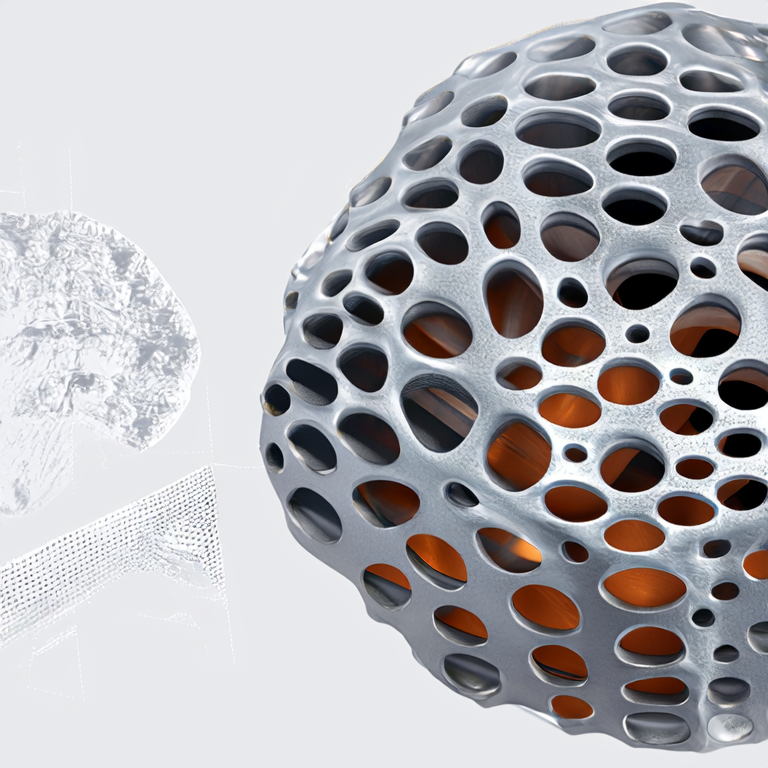
Summary Answer
Titanium foam is a highly useful material known for its superior mechanical strength and thermal properties, making it ideal for various applications.
1. Mechanical Properties of Titanium Foam
1.1. Strength-to-Weight Ratio
Titanium foam exhibits an impressive strength-to-weight ratio. This makes it perfect for industries where weight is critical. Its strength allows it to withstand heavy loads while remaining lightweight.
1.2. Durability
Durability is another essential property. Titanium foam resists corrosion and can endure high temperatures. This makes it suitable for environments that would damage other materials.
1.3. Energy Absorption
The energy absorption capability of titanium foam is notable. It can absorb shock and impact, making it a reliable choice for safety applications.
2. Thermal Properties of Titanium Foam
2.1. Thermal Conductivity
Titanium foam has low thermal conductivity. This means it can insulate against heat well. Applications in aerospace often benefit from this property, helping to manage temperature in extreme conditions.
2.2. Heat Resistance
Its high heat resistance allows it to maintain integrity under high thermal loads. This characteristic is essential in engines and other machinery.
2.3. Lightweight Insulation
As a lightweight insulation material, titanium foam is used in areas where traditional materials would add excess weight.
3. Applications of Titanium Foam
3.1. Aerospace
The aerospace industry uses titanium foam for structural components and insulation. Its balance of strength and lightweight characteristics is vital for aircraft.
3.2. Medical Devices
In the medical field, titanium foam is used in implants and prosthetics. Its biocompatibility and strength make it ideal for these applications.
3.3. Automotive Industry
Automakers use titanium foam for components that require high strength without the added weight. This helps improve fuel efficiency and performance.
Conclusion
Titanium foam\'s mechanical and thermal properties make it an excellent choice for various industries. Its unique combination of lightweight strength and durability offers many benefits for practical applications. Understanding these properties can help industries innovate and improve their products.
FAQ
Q: What is titanium foam made of? A: Titanium foam is made from titanium powder that is processed to create a porous structure.
Q: Is titanium foam expensive? A: Yes, the production process can be costly. However, its benefits often outweigh the initial investment.
Q: How does titanium foam compare to other foams? A: Titanium foam provides better strength and heat resistance than many other materials.

