Introduction
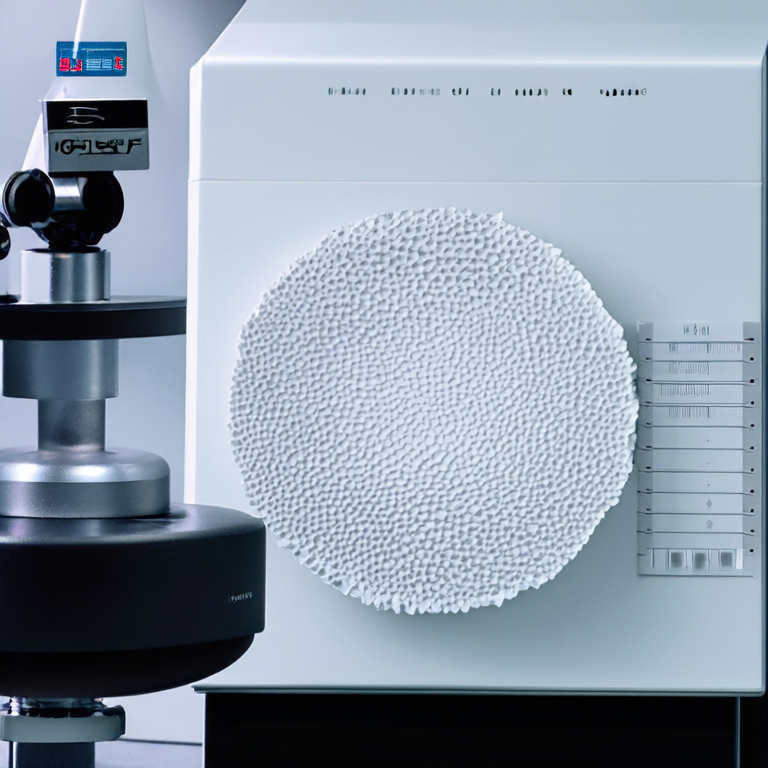
titanium foam is a revolutionary material that combines lightweight properties with exceptional strength. Many industries face challenges when it comes to finding materials that are both durable and light. Traditional metals like steel can be heavy and cumbersome. However, titanium foam offers a solution with great potential. This advanced material can be used in industries like aerospace, automotive, and medical devices. Its unique structure allows it to absorb energy and resist deformation under pressure, making it valuable for various applications.
Summary Answer
Titanium foam is a lightweight, strong material created by introducing gas into molten titanium, resulting in a porous structure that offers unique advantages.
1. Key Properties of Titanium Foam
1.1 Lightness
Titanium foam is significantly lighter than traditional materials like steel. This makes it easier to handle and reduces transportation costs.
1.2 Strength
Despite its lightness, titanium foam is incredibly strong. It has a high strength-to-weight ratio, which is beneficial in many applications.
1.3 Energy Absorption
The porous structure of titanium foam allows it to absorb energy. This property makes it useful for crash protection in automotive and aerospace designs.
1.4 Corrosion Resistance
Titanium foam is resistant to corrosion, making it suitable for environments where other materials would fail.
1.5 Biocompatibility
In the medical field, titanium foam is popular due to its biocompatibility. This means it is safe for use in the human body, such as in implants.
1.6 Thermal Insulation
This material acts as a good thermal insulator, which is particularly useful in applications where temperature control is important.
2. Applications of Titanium Foam
2.1 Aerospace Industry
The aerospace industry benefits from the lightweight and strong properties of titanium foam for components like brackets and panels.
2.2 Automotive Industry
In the automotive sector, titanium foam is used for safety features such as energy-absorbing structures during collisions.
2.3 Medical Devices
Medical implants often utilize titanium foam due to its biocompatibility and strength, providing patients with reliable solutions.
2.4 Construction and Architecture
Titanium foam is increasingly used in construction for lightweight, durable building materials that require strength without added weight.
2.5 Sports Equipment
High-performance sports equipment, such as bicycles and helmets, can take advantage of the strength and lightness of titanium foam.
2.6 Electronics
In electronics, titanium foam can be found in heat sinks and other components that require efficient thermal management.
Conclusion
Titanium foam represents a significant advancement in material science. Its combination of being lightweight and strong makes it an excellent choice across various industries. From aerospace to medical applications, titanium foam shows remarkable qualities that address the challenges of traditional materials.
FAQ
What is titanium foam?
Titanium foam is a lightweight, porous material made from titanium. It is produced by introducing gas into molten titanium, creating a foam-like structure.
What are the advantages of titanium foam?
Some advantages include its lightness, strength, corrosion resistance, energy absorption, and biocompatibility.
Where is titanium foam used?
Titanium foam is used in aerospace, automotive, medical devices, construction, sports equipment, and electronics.
Is titanium foam environmentally friendly?
Titanium foam can be perceived as environmentally friendly due to its durability and resistance to corrosion, reducing the need for replacements.
How does titanium foam compare to other materials?
Titanium foam is lighter and strong compared to metals like steel and aluminum. It also offers better energy absorption and corrosion resistance.
Can titanium foam be recycled?
Yes, titanium foam can be recycled, making it a sustainable option for various applications.

