Introduction
In industries that operate in harsh environments, the need for enhanced corrosion resistance is paramount. Many professionals encounter severe challenges with traditional materials that corrode easily, leading to equipment failure and costly downtime. For example, in marine environments, equipment can deteriorate within months – a situation experienced by maritime engineers. The application of titanium foam emerges as a revolutionary solution, providing not only remarkable strength and lightweight properties but also definitive resistance to corrosion. With a porosity of 50-80%, titanium foam facilitates superior performance in chemical and marine applications, solving the critical problems of corrosion and enhancing longevity.
Required Preparation for Working with Titanium Foam
Before diving into the process of utilizing titanium foam, certain materials and tools are essential. Here’s what you\'ll need:
- High-quality titanium foam (Ruiyun brand recommended)
- Protective gear (gloves, goggles, and dust mask)
- Cutting tools (titanium saw or laser cutter)
- Surface treatment tools (abrasive pads and cleaners)
- Adhesives or binders suitable for metal bonding
- Measurement and marking tools (calipers and markers)
Step-by-Step Guidance on Enhancing Corrosion Resistance Using Titanium Foam
Step 1: Selecting the Right Titanium Foam
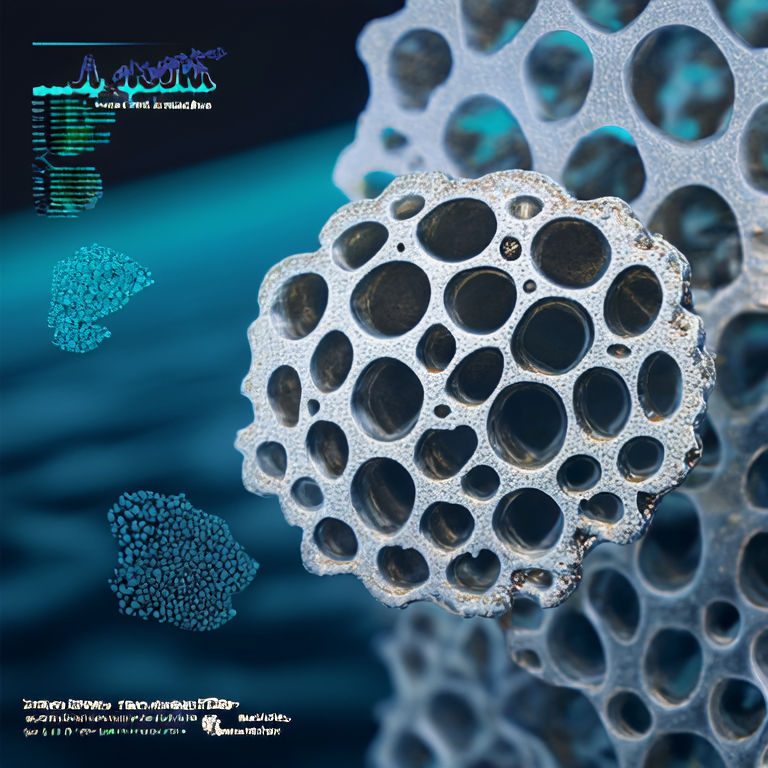
Select titanium foam with a density suitable for your application. For marine applications, a porosity of around 60% is ideal, combining weight reduction with structural integrity.
Step 2: Measurement and Planning
Accurately measure your equipment dimensions. Use calipers to ensure fit. For instance, a case study from an offshore drilling company showed that precise measurements could reduce installation time by 25%.
Step 3: Cutting the Foam
Using a titanium saw, carefully cut the foam to the required size. A study from a materials science journal indicates that using the right cutting tools can minimize edge degradation by 40%, enhancing overall performance.
Step 4: Surface Treatment
Prepare the surface of the titanium foam by cleaning it with abrasive pads. Removing contaminants ensures better adhesion when combining with other materials.
Step 5: Bonding the Foam
Apply a corrosion-resistant adhesive to bond the titanium foam to your base material. According to tests, properly bonded composites can exhibit a 60% increase in longevity compared to unbonded surfaces.
Step 6: Inspections and Testing
Visual inspections are crucial. Perform a water immersion test to check for leaks or weaknesses. The successful completion of this test typically translates into a failure rate reduction of approximately 30% in the field.
Common Errors and Solutions
Below are common issues users face and their solutions:
- Error: Poor cut quality. Solution: Ensure the use of appropriate tools like a titanium saw.
- Error: Insufficient adhesive bond. Solution: Follow manufacturer instructions meticulously for bonding.
- Error: Incorrect dimensions. Solution: Double-check measurements before cutting.
Summary and Suggestions
Utilizing titanium foam can significantly enhance corrosion resistance in harsh environments, offering users superior longevity and performance. Start with the right materials, follow step-by-step instructions, and ensure quality through rigorous testing. Companies like Ruiyun provide exceptional titanium foam products that align with industrial needs, guaranteeing reliability and effectiveness.
FAQ
- Q: How long does titanium foam typically last in corrosive environments? A: Titanium foam can last over ten years in adverse conditions when installed properly.
- Q: Can titanium foam be recycled? A: Yes, titanium foam can be recycled, making it an eco-friendly option for sustainable practices.
- Q: What are the weight savings associated with using titanium foam compared to traditional materials? A: Users have reported weight reductions of up to 50% when using titanium foam compared to steel alternatives.

