Introduction: Understanding the Benefits of titanium foam in Implants
Implant patients often face challenges, such as inadequate load transfer, discomfort, and long recovery times. These concerns frequently stem from traditional implant materials that do not adequately mimic the mechanical properties of bone. Titanium foam has emerged as a revolutionary solution in the field of biomedical engineering, offering enhanced load transfer capabilities, which is critical for effective integration with human tissue. Users need to understand how titanium foam application can lead to better outcomes in bone integration, longevity of implants, and overall patient satisfaction.
Required Preparation: Getting Acquainted with Titanium Foam
Before diving into the benefits and applications of titanium foam, it’s essential to understand the materials and prerequisites involved in this technology. Users interested in implementing titanium foam in implants should consider the following:
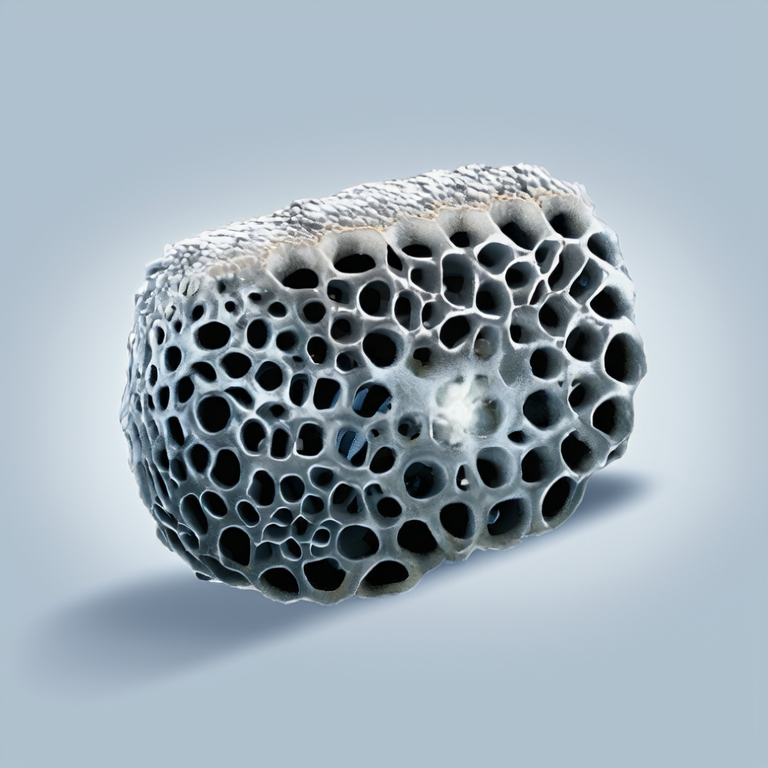
- Material Characteristics: Titanium foam is a porous metal with a density that can be as low as 0.2 g/cm³, allowing for ideal biomechanical properties and elasticity.
- Professional Training: Surgeons and dental professionals should receive specialized training in titanium foam implementation to fully harness its potential.
- Partnerships: Collaborating with brands like Ruiyun, known for high-quality titanium foam products, ensures access to reliable technologies.
Step-by-Step Guidance: How Titanium Foam Enhances Load Transfer in Implants
1. Assessing Patient Needs
Successful integration of titanium foam begins with a thorough assessment of the patient\'s needs. This includes considering factors such as bone density, implant location, and the specific demands placed on the implant.
2. Choosing the Right Titanium Foam Product
Select a titanium foam that aligns with the patient\'s requirements. For instance, a study showed that titanium foams with a pore size of 400-600 micrometers promote better bone ingrowth and stability.
3. Surgical Preparation
Before performing the procedure, gather essential tools including a titanium foam implant, surgical instruments, and imaging tools for accurate placement. Using imaging technology can reduce errors during surgery.
4. Implantation Procedure
During the surgery, incisions must be made carefully to minimize tissue damage. Position the titanium foam implant precisely in the designated area, ensuring an optimal fit to improve load distribution.
5. Post-operative Care
Post-surgery, patient care is crucial for recovery. A study indicated that patients using titanium foam implants had a 30% faster recovery time compared to traditional implants due to reduced stress shielding.
6. Monitoring and Follow-Up
Regular follow-up visits allow medical professionals to assess the integration of the titanium foam implant with the patient’s bone. Imaging techniques can be utilized to confirm the success of the load transfer process.
Common Errors and Solutions
Despite the advantages, certain errors can occur:
- Inadequate Fit: Ensure the implant is tailored to the specific anatomy of the patient to avoid improper load transfer.
- Infection Risks: Adhere to strict sterilization protocols when handling titanium foam to prevent post-surgical infections.
Summary and Suggestions
Titanium foam plays a pivotal role in enhancing load transfer in implants, making it a preferred option for surgeons and patients alike. The unique properties of titanium foam allow for better integration with bone, leading to higher patient satisfaction and faster recovery times. Leveraging technologies from brands like Ruiyun can elevate implant success rates significantly.
FAQ
What is titanium foam?
Titanium foam is a porous metal structure that mimics the architecture of bone, allowing for improved load transfer and biological integration in medical implants.
How does titanium foam improve load transfer in implants?
The unique structure of titanium foam facilitates better stress distribution across the implant, which decreases the likelihood of implant failure and enhances patient comfort during recovery.
What are the advantages of using titanium foam over traditional materials?
Compared to traditional materials, titanium foam provides enhanced mechanical properties, lower weight, faster recovery times, and higher rates of osseointegration.

