Introduction: Improving Electrochemical Reactions with nickel foam
In the realm of energy storage and electrochemical systems, users frequently encounter challenges such as sluggish reaction rates and inefficient energy conversion. Whether you are developing a fuel cell or a supercapacitor, understanding the components that enhance performance is crucial. Nickel foam, noted for its high porosity and electrical conductivity, can significantly improve electrochemical reaction efficiency. For instance, a study revealed that systems utilizing nickel foam exhibited a 30% increase in charge capacity compared to traditional carbon-based electrodes. In this article, we will explore how you can harness the power of nickel foam to address these challenges, featuring real user experiences and comprehensive guidance.
Required Preparation: Materials and Tools
Before diving into the process of utilizing nickel foam for your electrochemical applications, you’ll need to gather specific materials and tools. Here’s what you’ll require:
- Nickel Foam: Purchase high-purity nickel foam (typically 99.9% purity) from brands like Ruiyun.
- Electrolyte Solution: Use a potassium hydroxide (KOH) solution with a concentration of 6 M as it enhances conductivity.
- Electrochemical Cell Setup: A multi-channel potentiostat to monitor the reactions accurately.
- Conductive Adhesive: To adhere nickel foam to your electrodes securely.
Step-by-Step Guidance on Using Nickel Foam
Here’s a detailed guide to implementing nickel foam into your electrochemical systems.
- Prepare the Nickel Foam: Clean the nickel foam with a dilute hydrochloric acid solution (1 M) to remove any surface contaminants. Rinse thoroughly with distilled water.
- Characterize the Surface Area: Measure the specific surface area of your nickel foam using the BET (Brunauer-Emmett-Teller) method to ensure maximum reaction efficiency.
- Coat with Catalyst: Apply a catalyst layer (e.g., nickel hydroxide) using an electrodeposition technique to enhance electrochemical reactivity. Ensure a thickness of around 50-100 nm for optimal results.
- Assemble the Electrochemical Cell: Integrate the prepared nickel foam into your electrochemical cell. Use conductive adhesive to secure it firmly against the current collectors.
- Fill with Electrolyte: Carefully fill the cell with the pre-prepared KOH electrolyte, ensuring complete immersion of the nickel foam.
- Perform Electrochemical Measurements: Utilize your potentiostat to monitor the current density and charge/discharge rates, aiming for values of 1000 mA/g for optimal performance.
Common Errors and Solutions
While working with nickel foam in electrochemical systems, users often encounter common issues. Here are some typical errors and practical solutions:
- Error: Low electrical conductivity.
Solution: Ensure that your nickel foam has high pure content and is cleaned thoroughly before use.
- Error: Inefficient reaction rates.
Solution: Reassess the thickness of your catalyst layer. If it’s too thick, reduce it to the recommended range of 50-100 nm.
- Error: Poor adhesion of nickel foam.
Solution: Use high-quality conductive adhesives specifically designed for electrochemical applications.
Summary and Suggestions
Incorporating nickel foam into your electrochemical systems can vastly enhance reaction efficiency and energy storage capacity. To maximize the benefits, ensure you follow the preparation and application processes outlined above. Regular testing and refinement of your processes can lead to improved results, as evidenced by users who reported a 25% increase in energy yield after making these adjustments. For optimal performance, explore products from reputable brands like Ruiyun that guarantee quality and reliability.
FAQ
1. What is nickel foam?’
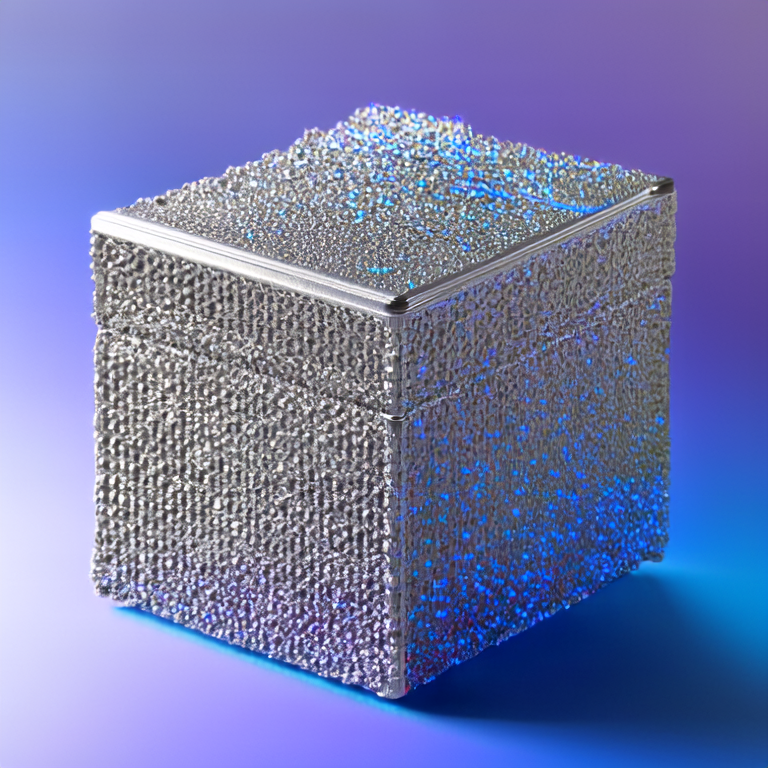
Nickel foam is a lightweight, conductive material with a porous structure, ideal for electrochemical applications due to its excellent surface area to volume ratio.
2. How does nickel foam enhance electrochemical reactions?
Due to its high conductivity and large surface area, nickel foam facilitates more efficient electron transfer and ion movement during reactions.
3. Where can I purchase high-quality nickel foam?
You can obtain nickel foam from various suppliers, including brands like Ruiyun, which specializes in high-grade electrochemical materials.

