Introduction
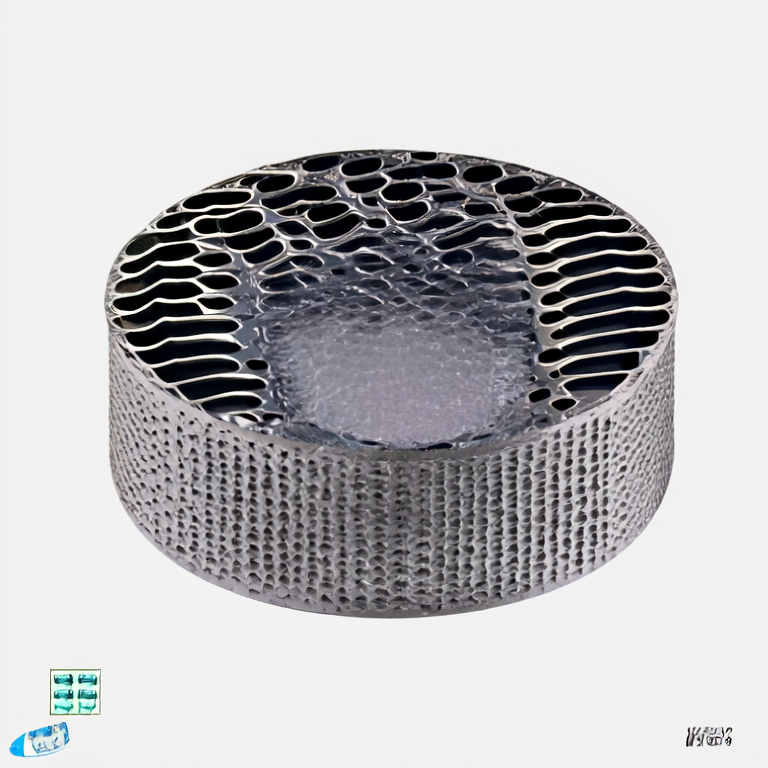
titanium foam is revolutionizing battery electrode design. This innovative material offers numerous benefits, including lightweight properties and high porosity. By improving battery efficiency, titanium foam addresses issues related to energy density. Additionally, it can enhance recharge times, which is crucial in modern technology. Manufacturers are increasingly considering titanium foam for various applications.
Summary Answer
Titanium foam enhances battery electrode design by providing lightweight structures and high stability, improving both energy density and recharge times.
Key Benefits of Titanium Foam
1. Lightweight Design
The lightweight nature of titanium foam allows for reduced overall battery weight. This is important for electronic devices where portability matters. By using this material, manufacturers can create lighter batteries without compromising performance.
2. High Porosity
Titanium foam has high porosity, allowing for better ion transfer. This feature leads to improved energy storage and quicker charge and discharge times. For electric cars or portable electronics, this means faster access to power when needed.
3. Enhanced Stability
The stability of titanium foam enhances battery life. It minimizes degradation over time, providing a longer lifespan for energy storage systems. This is crucial for industrial applications where battery replacement can be costly and disruptive.
4. Temperature Resistance
Titanium foam can withstand extreme temperatures. This characteristic makes it suitable for use in various environments, ensuring consistent performance. For batteries used in solar energy systems or electric vehicles, this reliability is essential.
5. Versatile Applications
The versatility of titanium foam means it can be used in several industries. From aerospace to consumer electronics, its unique properties suit a wide range of products. Manufacturers are finding more uses for titanium foam every year.
6. Cost-Effectiveness
While initially more expensive, the long-term savings from using titanium foam can outweigh the upfront costs. Manufacturers find that improved performance leads to lower operational costs over time.
Conclusion
In conclusion, titanium foam plays a significant role in battery electrode design. Its unique features, such as lightweight construction and high porosity, improve battery performance. As technology advances, more manufacturers will likely explore the benefits of titanium foam for their products.
FAQ
1. What is titanium foam?
Titanium foam is a porous, lightweight material made from titanium, known for its strength and stability.
2. How does titanium foam improve battery life?
Its high stability reduces degradation, leading to a longer lifespan for batteries.
3. Is titanium foam suitable for all battery types?
Yes, it can be used in various applications, including electric vehicles and consumer electronics.
4. What are the environmental benefits of titanium foam?
Its lightweight design contributes to energy efficiency, potentially reducing carbon footprints.
5. How does titanium foam compare to traditional materials?
Titanium foam offers superior performance in weight, stability, and energy density compared to traditional materials.

