Introduction
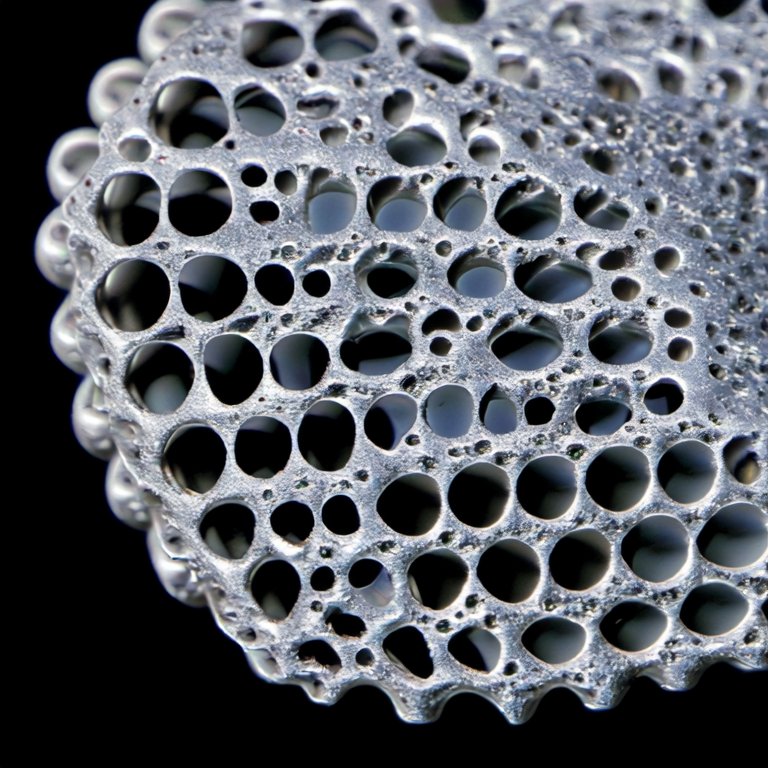
nickel foam is an innovative material known for its unique structure and properties. It is widely used in industries like energy storage and electronics. But what makes nickel foam stand out? This exploration will delve into its porous structure, conductivity, and chemical resistance. Many industries are looking for better materials. Nickel foam offers a solution to their needs. This material’s remarkable qualities make it a great choice for various applications.
Summary Answer
Nickel foam is a lightweight, porous metal structure made from nickel. It offers high conductivity, chemical resistance, and a large surface area, making it ideal for applications in energy storage, catalysts, and sensors.
Subheadings
- 1. Structure of Nickel Foam
1.1 Porosity and Surface Area
Nickel foam has a highly porous structure that gives it a large surface area. This property is key for applications like batteries and fuel cells. The typical porosity can reach over 90%, allowing for significant airflow and fluid movement.
- 2. Properties of Nickel Foam
2.1 Electrical Conductivity
The material exhibits excellent electrical conductivity, which is crucial in electronic devices. Nickel foam can support efficient charge transfer, making it suitable for applications in supercapacitors.
2.2 Chemical Resistance
Nickel is highly resistant to corrosion. This property ensures durability in harsh environments, which is essential for various industrial uses, including sensors and catalysts.
- 3. Applications of Nickel Foam
3.1 Energy Storage Solutions
Its structure supports energy storage systems like batteries and supercapacitors. The foam enhances charge capacity and life span.
3.2 Catalytic Uses
Nickel foam is used as a catalyst support in reactions like hydrogenation. Its large surface area improves reaction efficiency.
3.3 Sensors and Electronics
Due to its conductivity, nickel foam is also integrated into various electronic devices, improving their overall performance.
- 4. Comparison with Other Materials
4.1 Nickel Foam vs. Standard Foams
| Property |
Nickel Foam |
Standard Polyurethane Foam |
| Weight |
Lightweight |
Lightweight |
| Porosity |
90%+ Porous |
40-60% Porous |
| Conductivity |
High |
None |
| Chemical Resistance |
Excellent |
Variable |
Conclusion
Nickel foam is a remarkable material with a variety of unique properties. Its porous structure, high conductivity, and excellent chemical resistance make it suitable for numerous applications. Understanding these features allows industries to utilize nickel foam effectively. Its widespread appeal continues to grow as new technologies emerge.
FAQ
What is nickel foam used for? Nickel foam is used in energy storage, as a catalyst support, and in electronics.
How is nickel foam created? It is made through a process that involves nickel plating on a foam template, followed by the removal of the template.
Is nickel foam biodegradable? No, nickel foam is a metal product and is not biodegradable.
What are the benefits of nickel foam? The main benefits include lightweight, high porosity, electrical conductivity, and chemical resistance.
Can nickel foam be recycled? Yes, nickel foam can be recycled and reused in new applications.

