Introduction
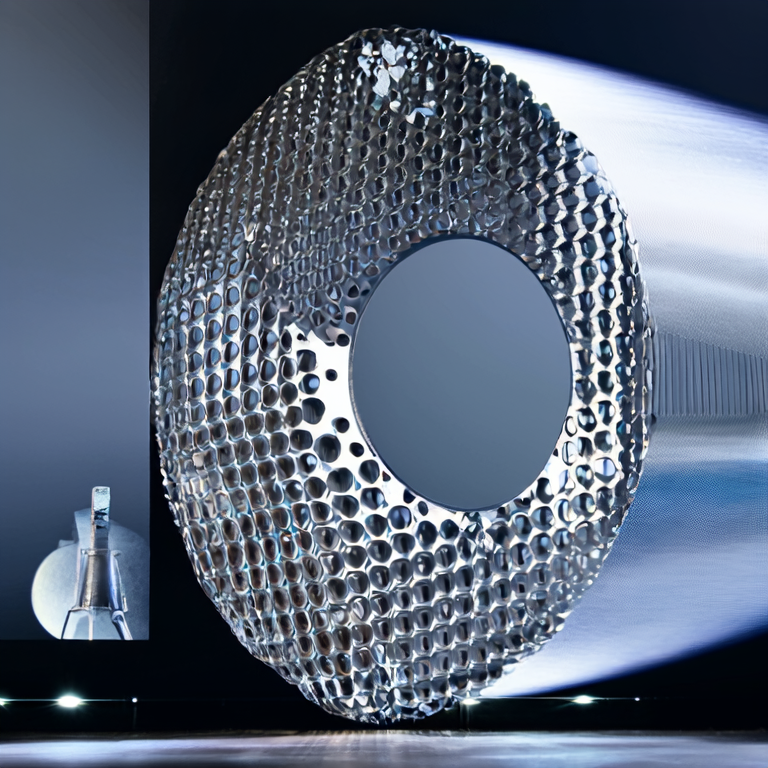
titanium foam has emerged as a transformative material in various industries. Its unique properties make it a solution for challenges in lightweight construction, biocompatibility, and high strength applications. This material is not just beneficial; it is revolutionary. Porous titanium offers an excellent balance of strength and weight, making it ideal for aerospace, medical, and automotive industries. As the demand for innovative materials grows, understanding the applications of titanium foam becomes essential.
Summary Answer
Titanium foam finds diverse applications across industries due to its combination of light weight, strength, and biocompatibility.
1. Aerospace Industry
- Lightweight Structural Components
Titanium foam is used in aircraft components to reduce weight. This results in improved fuel efficiency. Airlines are increasingly adopting this material to save costs and enhance performance.
2. Medical Applications
- Bone Implants and Prosthetics
Its biocompatibility makes porous titanium ideal for medical implants. Doctors use it in bone grafts and orthopedic devices. Studies show that it promotes bone growth effectively.
3. Automotive Industry
- Automotive Parts and Structures
Car manufacturers apply titanium foam in structural components. It helps reduce overall vehicle weight and enhances fuel economy. Research indicates that it can improve safety features as well.
4. Energy Sector
- Fuel Cells and Batteries
In the energy sector, porous titanium is used in fuel cells. Its properties enhance energy storage efficiency. Companies are experimenting with it to improve performance in renewable energy applications.
5. Sports Equipment
- High-Performance Gear
Manufacturers are exploring titanium foam for creating lightweight sports equipment. Products like bicycles and helmets utilize this material to enhance performance without adding weight.
6. Filters and Catalysts
- Chemical Filtration Systems
The porous nature of titanium makes it suitable for filters in chemical processing. Its ability to withstand high temperatures and corrosive environments is crucial for industrial applications.
Conclusion
Porous titanium is a remarkable material with a wide range of applications across various industries, including aerospace, medical, automotive, and energy sectors. Its unique characteristics, such as lightweight, strength, and biocompatibility, make it vital for future innovations. As industries continue to advance, the use of titanium foam will likely grow, further opening up possibilities for enhancing technology and improving efficiency.
FAQ
What is titanium foam made of?
Titanium foam is created from titanium metal, processed to produce a porous structure by incorporating gas or using techniques like powder metallurgy.
Why is titanium foam important in medical applications?
Its biocompatibility allows for integration with human tissue, making it suitable for implants and prosthetics.
How does titanium foam benefit automotive manufacturers?
It reduces vehicle weight, improving fuel efficiency while enhancing safety features.

