Introduction
Customizing thickness and density for nickel foam is crucial in various technical applications. Nickel foam is a metal product known for its light weight and rigidity. However, many users struggle to find the perfect balance between thickness and density for their specific needs. Factors such as conductivity, mechanical strength, and weight play essential roles in selecting the right foam. This article will guide you through how to adjust thickness and density to optimize performance.
Summary Answer
To achieve the best performance, carefully customize the thickness and density of nickel foam based on your application requirements. By understanding these factors, you can enhance its functionality in various fields, including energy storage and filtration.
1. Understanding Nickel Foam Properties
1.1 What is Nickel Foam?
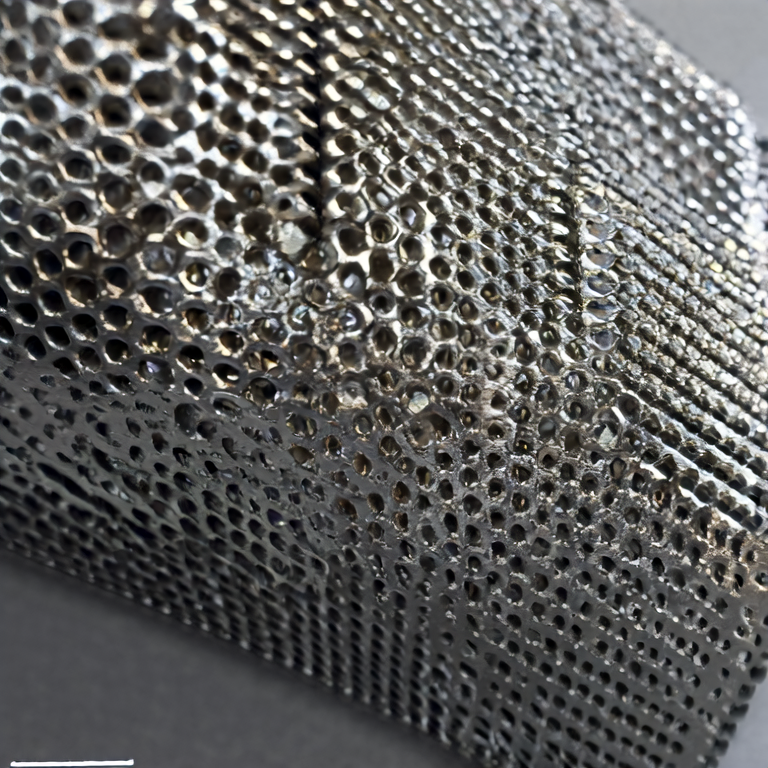
Nickel foam is a porous, lightweight structure primarily made from nickel. It possesses excellent conductivity and is often used in batteries and fuel cells.
1.2 Importance of Thickness
The thickness of nickel foam affects its overall strength and structural integrity. Thicker foams provide better support while thinner foams offer more flexibility.
1.3 Role of Density
Density refers to the mass per unit volume. A higher density in nickel foam generally increases strength but may reduce porosity. Understanding this balance is key to optimizing performance.
2. Customizing Thickness for Applications
2.1 Standard Thickness Options
Nickel foam is available in various thicknesses. Common options range from 0.5 mm to 5 mm. Choosing the right one depends on the application.
2.2 Thickness Recommendations for Specific Uses
- Energy Storage: Thicker foams (2 mm - 4 mm) are recommended for improved strength.
- Filtration Systems: Thinner foams (0.5 mm - 1 mm) enhance fluid flow and efficiency.
3. Adjusting Density for Optimal Performance
3.1 Standard Density Levels
Nickel foam typically has densities ranging from 0.2 g/cm³ to 0.7 g/cm³. The choice depends on the specific project requirements.
3.2 Case Study: Different Densities in Action
The following table compares the performance of nickel foam at various density levels:
| Density (g/cm³) |
Applications |
Advantages |
| 0.2 |
Lightweight energy systems |
High porosity, excellent fluid passage |
| 0.5 |
General applications |
Good balance of strength and weight |
| 0.7 |
High-load applications |
Increased strength and durability |
4. Step-by-Step Guide to Customizing Nickel Foam
4.1 Determine Your Specifications
Identify the exact requirements for your project. Factors include load, conductivity, and expected lifespan.
4.2 Select the Right Manufacturer
Choose a reputable supplier who offers customizable options for thickness and density.
4.3 Request Samples
Before making a bulk purchase, request samples to test in your specific application.
4.4 Make Adjustments as Needed
Based on your tests, you may need to adjust your order. Communicate clearly with the supplier.
Conclusion
Customizing thickness and density is key to optimizing the performance of nickel foam. By understanding these properties and how they relate to specific applications, you can enhance efficiency and functionality in your projects. Always consider your application needs before making any adjustments.
FAQ
What applications use nickel foam?
Nickel foam is commonly used in batteries, fuel cells, and as filtration materials.
Can I customize nickel foam myself?
Yes, but it is recommended to work with a professional supplier for the best results.
What is the typical lifespan of nickel foam?
The lifespan varies by application, but quality nickel foam can last for many years with proper care.
Is nickel foam environmentally friendly?
Nickel foam can be recycled, making it a more sustainable option than many other materials.
How can I calculate the density of nickel foam?
Density is calculated by dividing the mass of the foam by its volume. Use precise measurements for accurate results.
Table of Contents
Table of Contents
- Understanding Nickel Foam Properties
- Customizing Thickness for Applications
- Adjusting Density for Optimal Performance
- Step-by-Step Guide to Customizing Nickel Foam
- Conclusion
- FAQ

