Introduction
titanium foam is becoming popular in medical applications. Choosing the right titanium foam can be challenging. It is crucial because the foam\'s properties affect the success of medical implants and devices. Factors like porosity, mechanical strength, and biocompatibility are important. This material must support the healing process while providing strength. Understanding these aspects helps patients and doctors make informed choices.
Summary Answer
When choosing titanium foam for medical applications, consider factors like porosity, strength, and biocompatibility. Each of these properties plays a vital role in the performance of medical implants and devices.
Main Points
-
Porosity Levels
Understanding Porosity
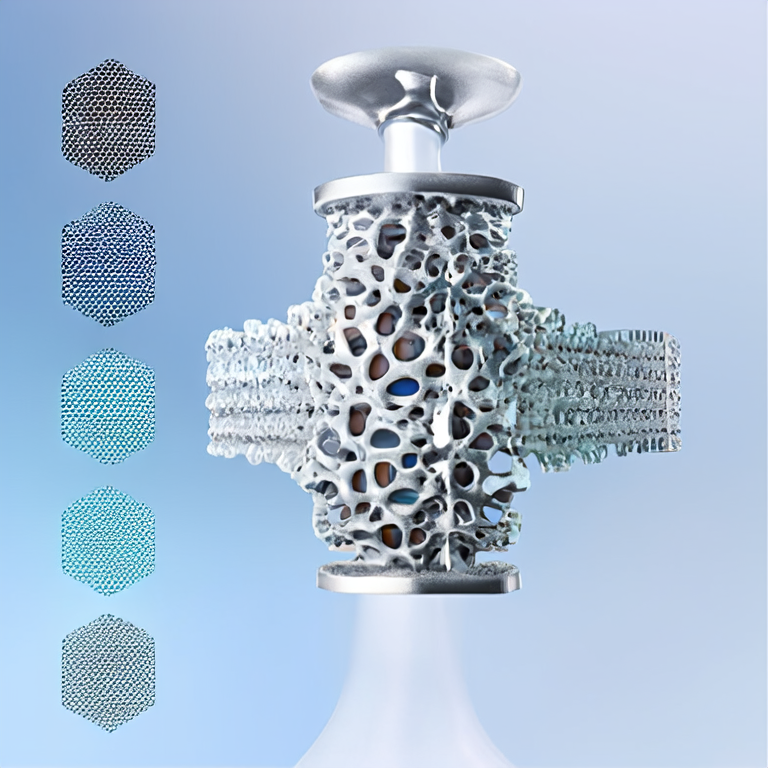
Porosity refers to the amount of space within the foam. This space affects how the foam interacts with bone and tissue. Higher porosity can improve cell attachment, which is important for healing. For example, a porosity of 70% allows for better nutrient flow.
-
Mechanical Strength
Assessing Mechanical Strength
Mechanical strength is crucial. It should withstand the loads during use but remain flexible enough to integrate with the body. Standard foam types can support weight up to 300 MPa, making them suitable for various applications.
-
Biocompatibility
Importance of Biocompatibility
Biocompatibility ensures that the foam does not cause adverse reactions when implanted. Materials must pass rigorous testing to confirm they are safe for humans. Using clinically approved titanium alloys ensures higher safety.
-
Manufacturing Techniques
Comparing Techniques
Methods like powder metallurgy and additive manufacturing differ in quality and cost. Additive manufacturing allows for complex designs tailored to specific needs. On the other hand, powder metallurgy offers a balance of cost and traditional methods.
-
Cost Considerations
Evaluating Costs
The cost of titanium foam can vary widely. Prices can range from $100 to $1,000 per cubic inch based on the material and manufacturing process. Evaluating budget constraints while ensuring the quality of medical devices is essential.
-
Regulatory Compliance
Navigating Regulations
Medical devices must comply with strict regulations. Make sure the titanium foam meets standards set by organizations like the FDA. Compliance affects both safety and marketability.
Conclusion
In conclusion, choosing the right titanium foam for medical applications is vital. Consider properties such as porosity, strength, and biocompatibility. These factors directly impact the success of implants and devices. With careful selection, titanium foam can significantly improve patient outcomes.
FAQ
-
What is titanium foam?
Titanium foam is a lightweight material made from titanium that contains many pores or air pockets.
-
Why is porosity important in titanium foam?
Porosity is important as it affects how well the foam supports bone growth and healing.
-
How strong is titanium foam?
Titanium foam can have a mechanical strength of around 300 MPa, making it suitable for various medical applications.
-
Is titanium foam safe for medical use?
Yes, when properly manufactured, titanium foam is biocompatible and safe for use in medical applications.
-
What manufacturing methods are used for titanium foam?
Common methods include powder metallurgy and additive manufacturing, each offering unique advantages.
-
How does cost affect the choice of titanium foam?
Cost can vary significantly based on quality and manufacturing techniques, making it an essential consideration for purchasing decisions.

