1. Introduction
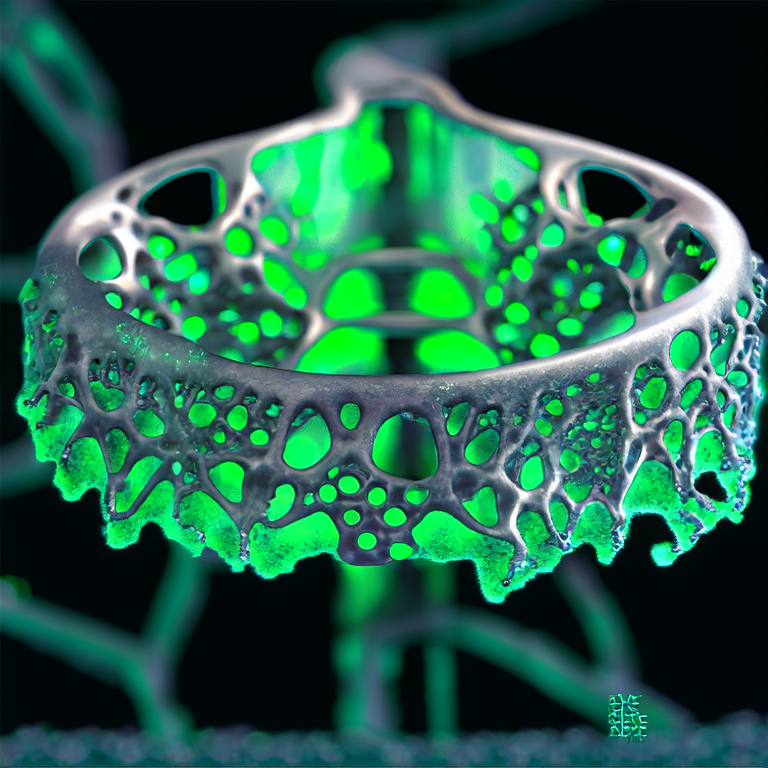
titanium foam is a unique material used in medical implants. It offers excellent biocompatibility, which is essential for medical applications. Biocompatibility means that the material does not cause harmful reactions in the body. This is crucial because many patients receive implants to improve their quality of life. Titanium foam also has lightweight properties, which makes it an appealing option for the medical field. Additionally, its porous structure allows for better integration into bone. This reduces the chances of implant failure, making titanium foam a strong candidate in medical technology.
2. Summary Answer
Titanium foam is highly biocompatible and allows for efficient integration with human bone. Its porous structure supports cell growth, making it ideal for medical implants.
3. Key Arguments
- Biocompatibility Factors
The Importance of Material Choice
Materials must be safe for the human body. Titanium foam is non-toxic and does not trigger an immune response. This makes it suitable for long-term implantation.
- Porous Structure
Enhanced Bone Integration
The porous nature of titanium foam allows for better attachment to bone tissue. Studies show that implants with porous surfaces lead to improved healing and stability.
- Mechanical Properties
Strength with Lightweight
Titanium foam is strong yet light. It provides structural support without adding unnecessary weight. This combination is crucial for comfort and functionality in medical devices.
- Applications in Medicine
Innovative Uses
Titanium foam is used in dental implants, orthopedic devices, and other surgical implants. Its unique properties allow for diverse applications in the medical field.
4. Conclusion
Titanium foam proves to be an excellent choice for medical implants due to its biocompatibility, lightweight design, and effective bone integration. As technology progresses, the use of titanium foam is likely to expand. This material is vital for the future of medical implants and patient care.
5. FAQ
Q: What is titanium foam?
A: Titanium foam is a lightweight and porous metal used in medical implants for better compatibility with human tissues.
Q: Why is biocompatibility important?
A: Biocompatibility ensures that the implant does not cause adverse reactions in the body, leading to safer outcomes for patients.
Q: Where is titanium foam used?
A: It is commonly used in dental implants, orthopedic implants, and other medical devices that require body integration.
Q: How does the porous structure benefit implants?
A: The porous structure allows for better bone attachment, which enhances stability and healing following surgery.

